





Panel Discussion on Cybersecurity and Balancing National Security with Privacy
បានផ្សាយនៅ: 27 សីហា 2024 · បន្ទប់ព័ត៌មាន · 4 នាទីអាន
មាតិកា
Panel Discussion on Cybersecurity and Balancing National Security with Privacy:
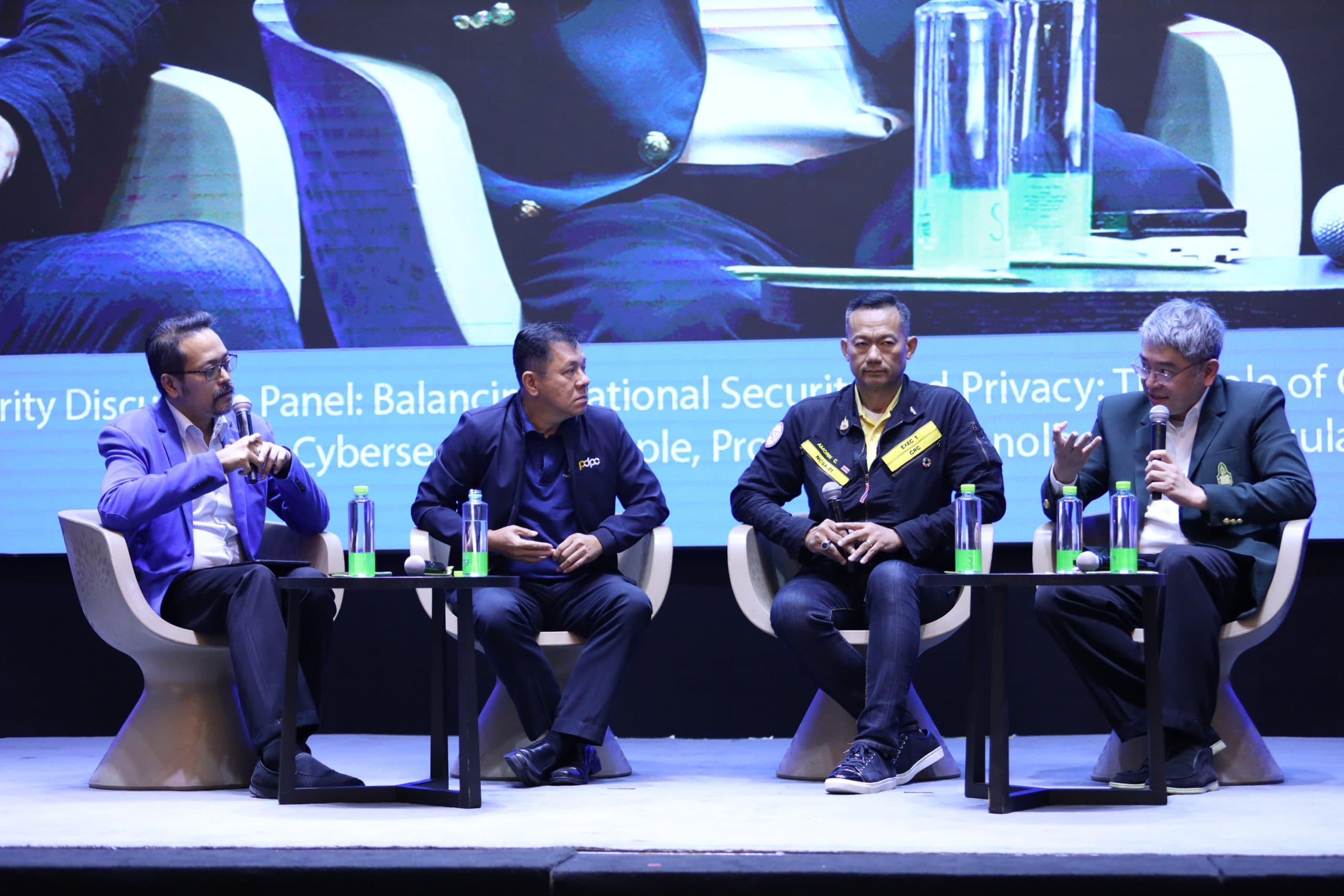
The panel discussion focused on cybersecurity, balancing national security with privacy, and the roles of public and private sectors in maintaining cybersecurity. The discussion covered personnel, processes, technology, and regulations, featuring experts such as Air Vice Marshal Amorn Chomchoy (Secretary-General of the National Cybersecurity Agency (NCSA)), Dr. Pirinya Hom-anek (Chairman and CEO of ACIS Professional Center), Dr. Kampol Sontanarat (Digital Transformation Consultant, SEC Data Protection Officer, and DPO Chairman), and Mr. Songklod Sriphumbang (Senior Product Manager at Bitdefender). The discussion was moderated by Mr. Narintwit Premapivathanakul (Cybersecurity Expert).
Summary of the Discussion on Privacy and National Security:
The discussion highlighted the challenges of maintaining privacy in the digital age and controlling personal data, while also considering national security and the impact of data management on safety and individual freedoms. The enforcement of laws and future policy updates must balance both aspects.
Key Points Discussed:
1. Balancing Security and Privacy:
- The discussion covered how to maintain security while respecting citizens' rights and privacy. Examples from abroad, such as the use of surveillance cameras and AI technology to capture and track individuals even when they are masked, were provided.
2. Mechanisms for Monitoring and Control:
- The need for robust monitoring systems to build trust in safety and privacy was discussed. For instance, Iceland’s use of technology to handle online fraud while implementing measures to protect privacy was highlighted.
3. Roles of Public and Private Sectors:
- The necessity of collaboration between the public and private sectors in addressing cybersecurity issues was emphasized. The discussion provided examples of challenges and opportunities in creating a good balance between security and privacy.
4. Policy and Legal Frameworks:
- The challenges of developing policies and laws that address both security and privacy needs were discussed, along with how international approaches could be adapted to the context of Thailand.
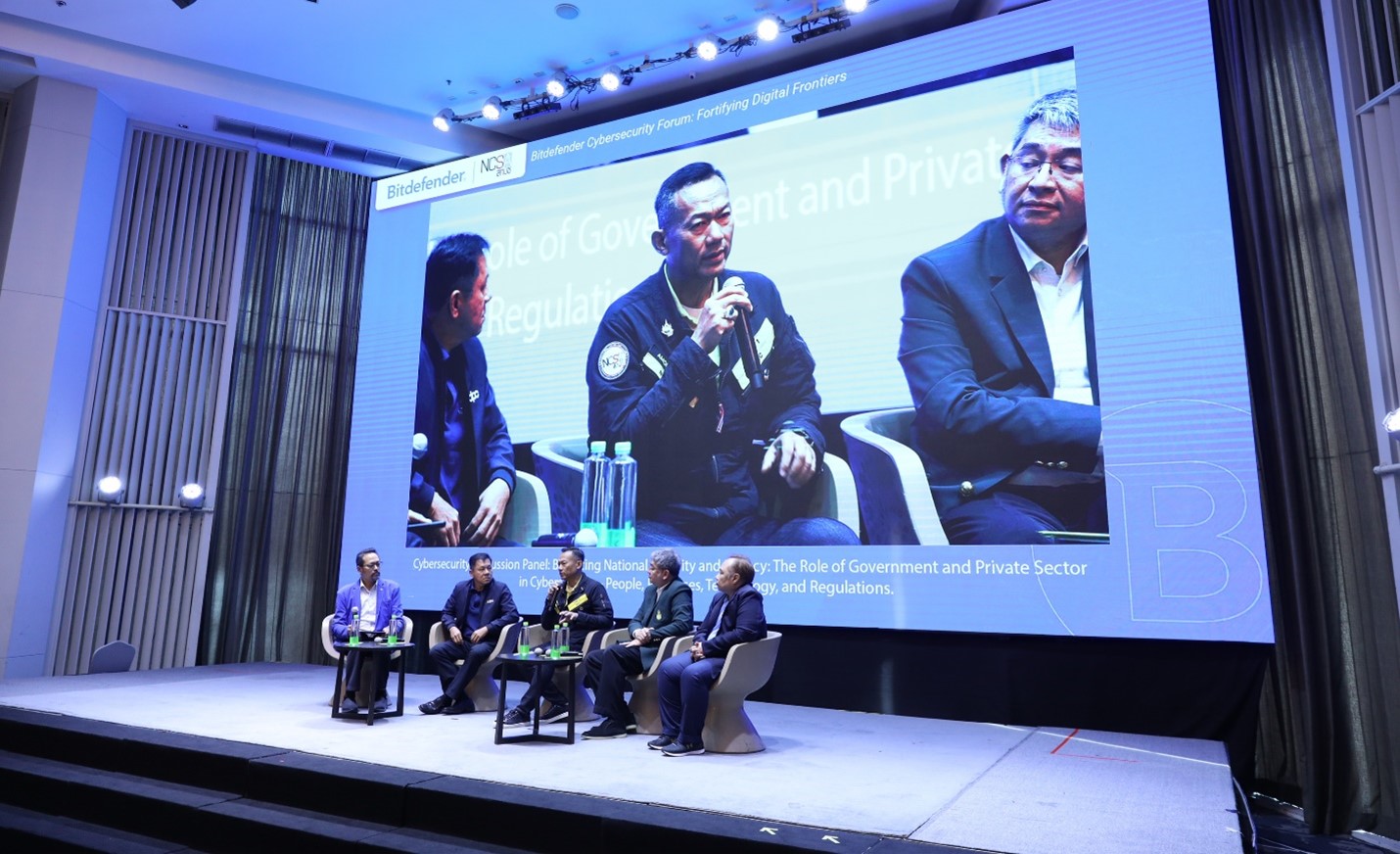
Privacy and National Security:
1. Privacy and National Security:
- Privacy: The main message is that absolute privacy is nearly non-existent today. Personal data is often collected and used in various ways.
- National Security:There may be conflicts between maintaining national security and privacy. For example, personal data collected may be used for security reasons.
2. Enforcement of Laws:
- Europe: The EU’s GDPR emphasizes strict control over the collection and use of personal data, with significant fines for violations.
- Other Countries: Countries like South Korea and China have varying levels of data control, with some having stricter controls than others.
3. Future Directions:
- Law Enforcement: Clear and stringent laws and measures are needed to protect personal data.
- Involvement: Effective enforcement of laws and data controls may require collaboration between public authorities and private organizations.
4. Situation in Thailand:
- Current Laws: Thailand’s current privacy laws are relatively modern and principle-based rather than prescriptive.
- Data Consent: Personal data provision must follow the principle of consent, clearly stating the purpose and use of the data.
- Understanding Privacy: Thais may have less understanding and caution regarding personal data compared to other countries and may often provide more information than necessary.
5. Recommendations:
- Legal Improvements: Laws should be updated to accommodate technological changes and emerging situations.
- Education and Awareness: There should be efforts to educate and increase public awareness about personal data protection.
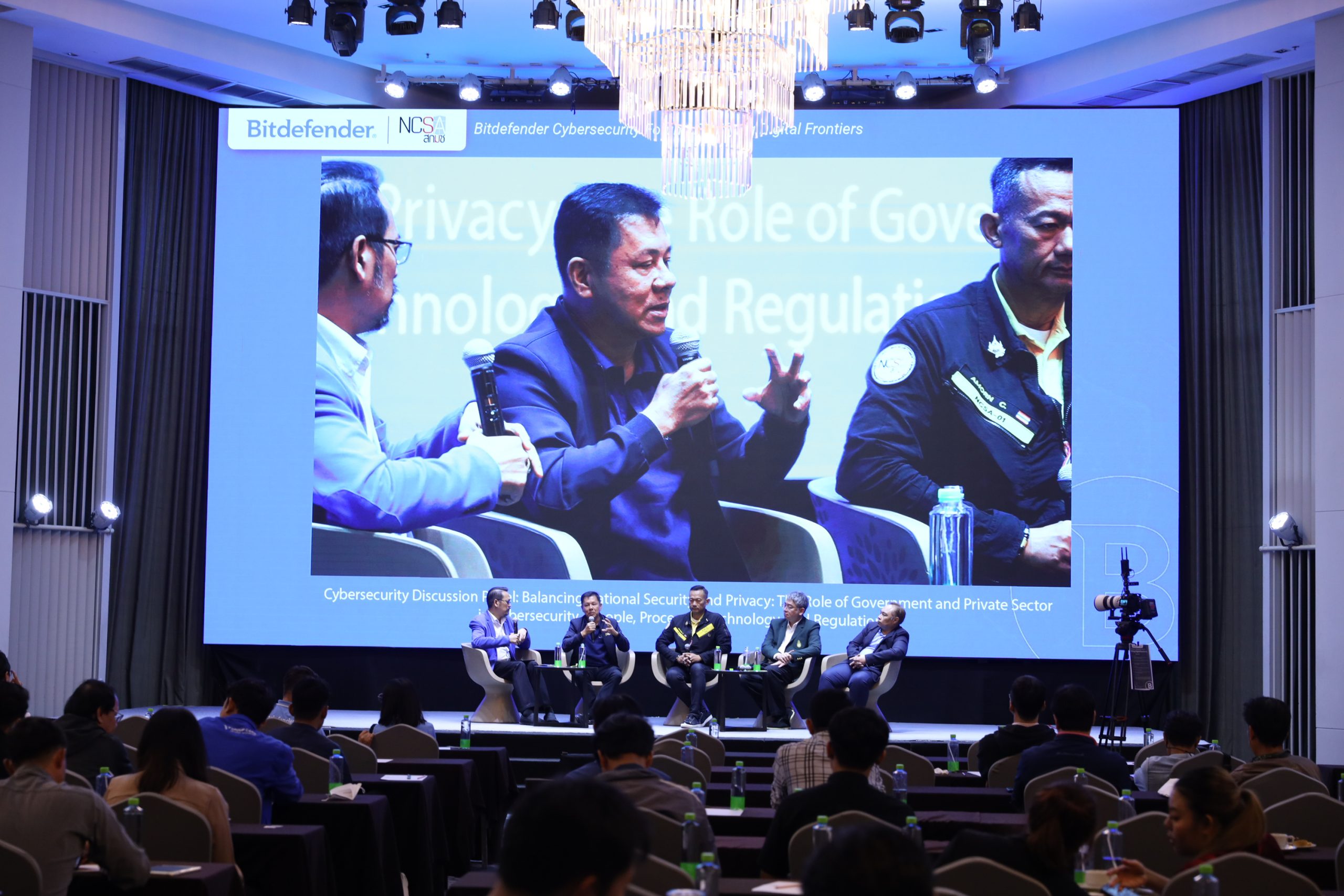
Controlling data access and preventing data leaks are challenging and require various measures, from controlling access and data movement to preventing the photographing or printing of sensitive documents. Additionally, choosing the right technology and investing in suitable solutions play a crucial role in ensuring data security.
1. Data Access Control:
- Legal Improvements: Laws should be updated to accommodate technological changes and emerging situations.
- DLP (Data Loss Prevention): Solutions that help control access to sensitive data, such as monitoring and preventing unauthorized access.
- Data Movement Tracking: Identifying and tracking who accesses data and where it is transferred, such as managing data exports.
2. Challenges in Data Control:
- Preventing Photography and Document Printing: Controlling the photographing or printing of sensitive documents is difficult and requires supplementary measures, such as technology to prevent printing or recording.
3. Data Transfer Protection:
- Preventing Data Transfers: Preventing data leaks through various channels, such as chat, email, or different networks, requires investment in appropriate solutions.
4. Technology and Budget:
- Solution Selection: Choosing technology and solutions should be based on the type of data to be protected, such as cloud servers or on-premises servers.
- Investment: Effective data protection requires investment in suitable technology and systems.
In summary, implementing cybersecurity technology in Thailand requires balancing security and privacy, along with having monitoring systems that ensure public confidence in safety and personal data protection.
Link to the Video: Panel Discussion Cybersecurity.
សាកល្បង Bitdefender ឥតគិតថ្លៃ 30 ថ្ងៃ
ការការពារដែលឈ្នះពានរង្វាន់សម្រាប់ឧបករណ៍ទាំងអស់របស់អ្នក។
ទទួលឥឡូវនេះអត្ថបទពាក់ព័ន្ធ

ការពារក្រុមគ្រួសាររបស់អ្នកពីការបោកប្រាស់តាមរយៈសំឡេង AI "កូនយំ"
បានផ្សាយនៅ: 21 កក្កដា 2026
អានអត្ថបទ
តើការលេចធ្លាយទិន្នន័យ (Data Breach) គឺជាអ្វី? ហើយហេតុអ្វីបានជា Bitdefender គឺជាដំណោះស្រាយដែលមានសុវត្ថិភាពបំផុត?
បានផ្សាយនៅ: 19 កក្កដា 2026
អានអត្ថបទ
រដូវកាលបាល់ទាត់ហ្វាស៊ីន៖ កុំបណ្តោយឱ្យជនបោកប្រាស់ស៊ុតបញ្ចូលទីបំផ្លាញសុវត្ថិភាពឌីជីថលរបស់អ្នក
បានផ្សាយនៅ: 15 មិថុនា 2026
អានអត្ថបទ
អ្នកប្រើប្រាស់ Android ត្រូវតែមើលបន្ទាន់! វិធីសាស្រ្តកំណត់ចាក់សោទូរស័ព្ទទាំង ៣ ដើម្បីការពារកម្មវិធីលួចលុយអស់ពីគណនី (បច្ចុប្បន្នភាពចុងក្រោយ)
បានផ្សាយនៅ: 12 មិថុនា 2026
អានអត្ថបទ